Creativity Dry-Up? You’ve Been Asked to Come Up with a New Idea at Work Again
If you work in marketing, you’ve been through this nightmare at least once though who are we kidding, way more. There are 2 hours left until the deadline, the cursor on your screen is practically mocking you, and your brain offers up "brilliant" concepts like "Let's post about a discount" or that painfully generic "Tailored just for you" pitch that’s buzzing in your head like an annoying fly.
Meanwhile, you’re sweating bullets, and plain old logic keeps digging the same rut, forcing you down the same boring path. If you want your client’s eyes to light up and your competitors to burn with envy, your brain needs a little provocation to break out of its usual patterns.
So, if you’re looking to step up your game, keep reading so your brain can pump out original concepts even under deadline pressure.
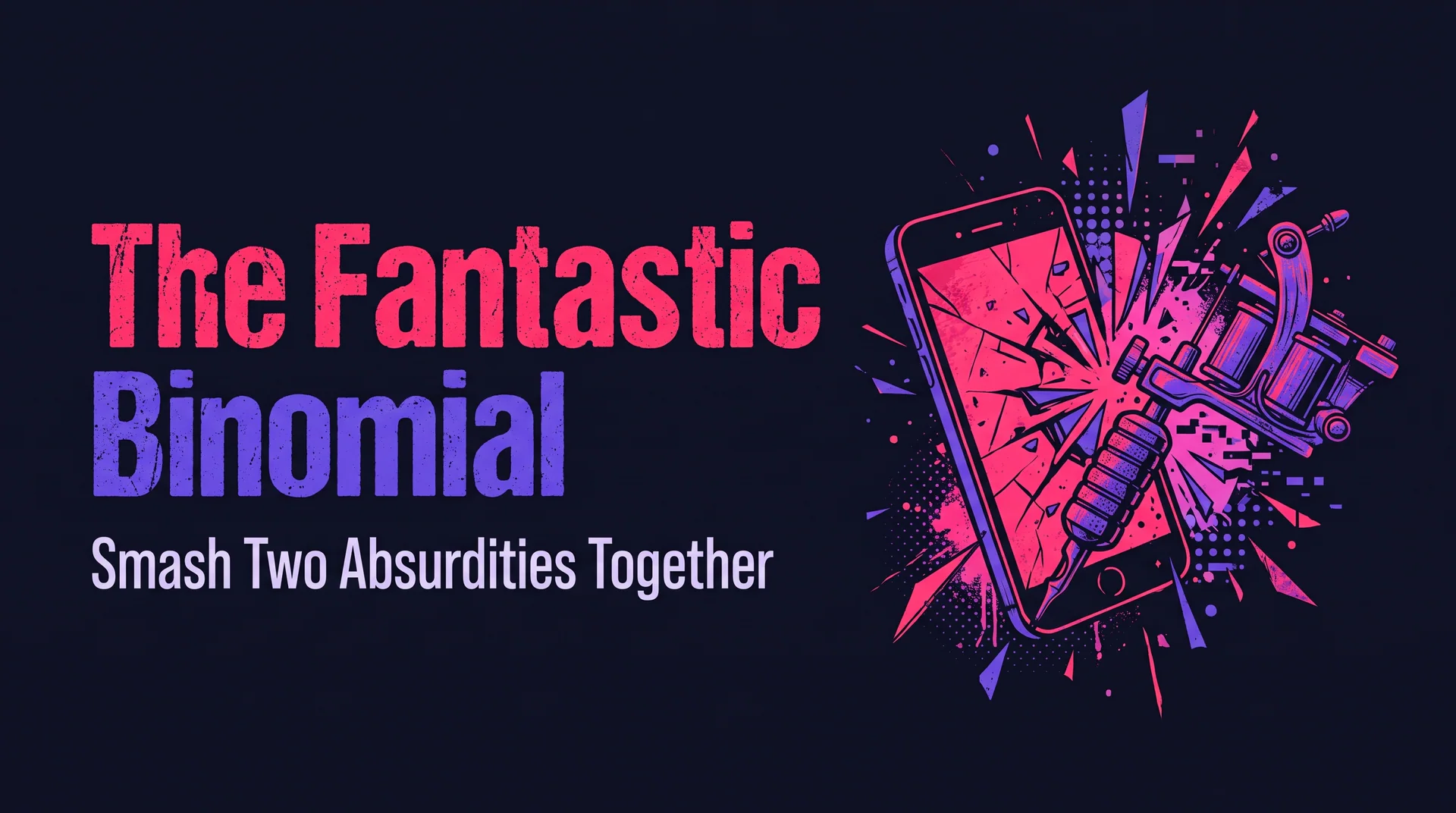
Take two completely unrelated words and force them into a head-on collision.
- How it works: Take your product (e.g., a fintech app) and pair it with the first random, silly word that catches your eye (e.g., tattoo).
- Creative Example: The "Insurance for Bad Decisions" campaign. A fintech brand tells users: "If you got a stupid tattoo while drunk or bought something you absolutely didn’t need, our app will reimburse 100% of your dumbest purchase once a week."
- Result: Viral content on TikTok and Instagram featuring people waking up hungover to their most ridiculous purchases.
With this technique, your brain is forced to build a bridge between the two. Generic associations instantly vanish.
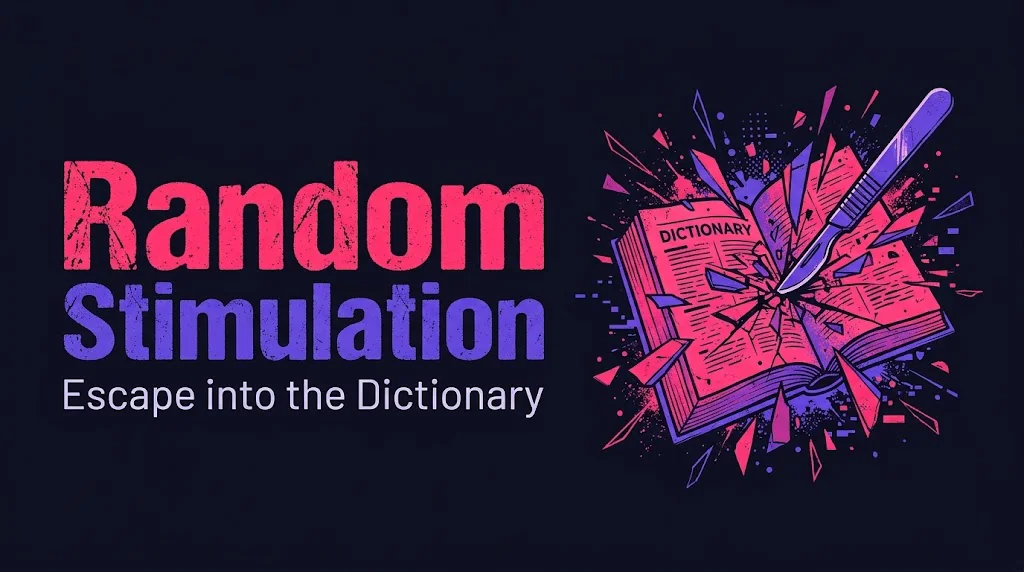
When ideas refuse to show up, open any book, put your finger on a random word, and forcefully connect it to your problem.
- The Problem: How do you sell an online grocery delivery service when every competitor is screaming the exact same thing ("Fast & Free!")?
- Random Word: Surgery.
- Association Chain: Surgery > Precision > Sterility > Zero errors > Orders packed with surgical precision.
- Creative Example: The "Zero-Mistake Delivery" campaign. An ad featuring a delivery driver and an order packer dressed in surgical scrubs, packing avocados and milk with life-or-death intensity. The tagline: "To us, even a slightly bruised banana is a critical error. Grocery picking with surgical precision."
- Result: A humorous, high-impact visual that directly tackles the customer’s main pain point (receiving damaged or poorly picked produce) in a fresh way.
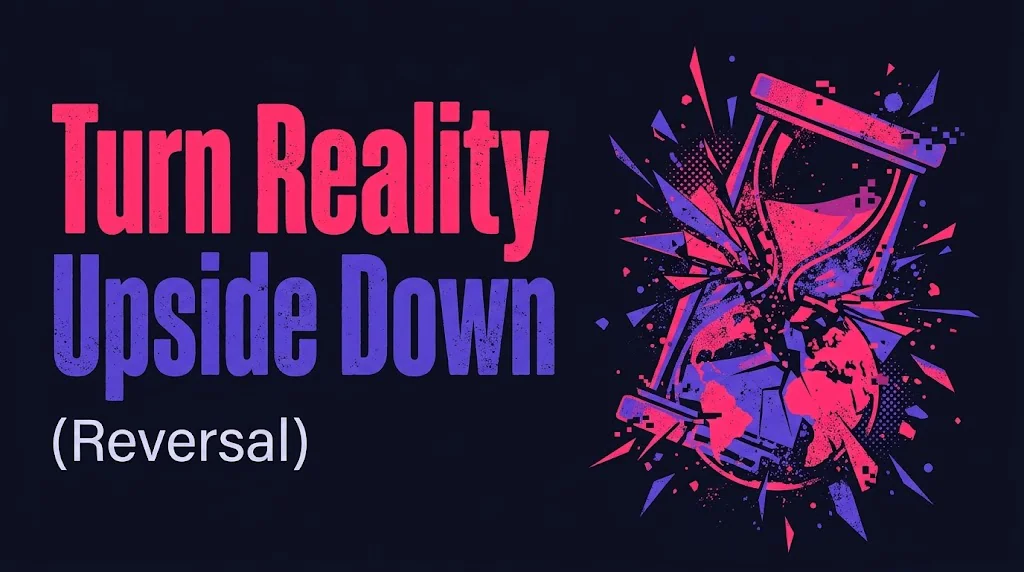
Take your industry’s most standard assumption and do the exact opposite.
- Standard Assumption: Fashion brands tell you that wearing their clothes will make you look pristine and stunning.
- Reversal: What if we tell people they’ll look terrible in our clothes?
- Creative Example: The "Overworked & Underslept" loungewear line. Instead of smiling models, the photos showcase messy hair, dark under-eye circles, and a coffee mug while slumped on a couch. Tagline: "Don't pretend you're getting anything done today. Just get comfortable."
- Result: Customers get a raw, relatable emotional connection in a sea of polished, fake advertising.
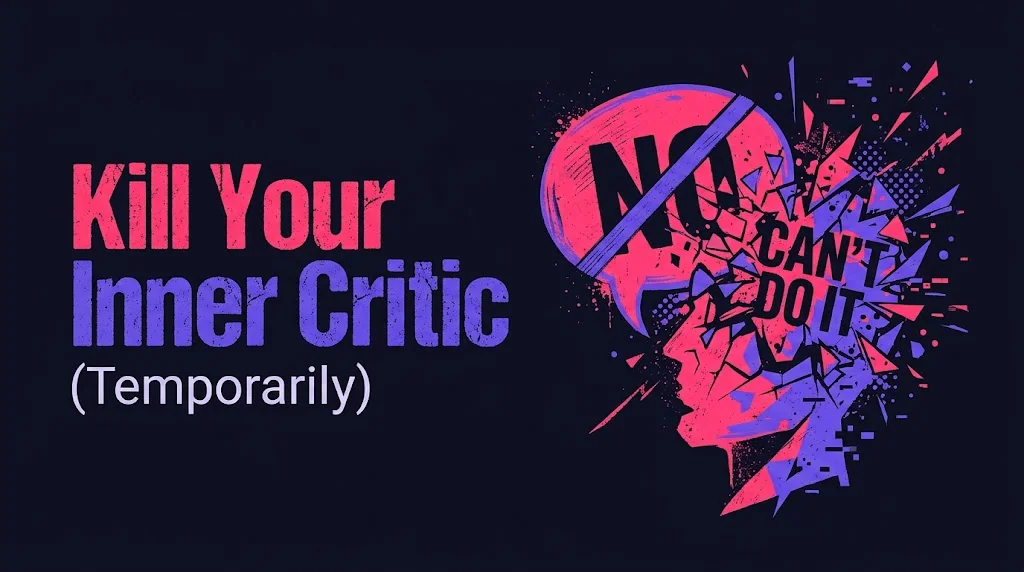
The biggest mistake during ideation is dropping lines like: "That’s too expensive," "That won't work," or "The client will never sign off on this."
For the first 15 minutes, ban the word "NO" entirely. Ask: "What if...?"
- "What if a restaurant menu listed emotions instead of food names?"
- "What if a real estate agency didn't just sell houses, but insured buyers against bad neighbors?"
- Creative Example: The "Mystery Menu" café campaign, where you order based on your mood rather than dishes. You order "My Ex Texted Me" and get spicy tacos with a margarita, or you order "Monday Morning" and get a triple espresso with dark chocolate.
Give crazy ideas room to breathe. The most viral campaigns are often born out of this exact kind of absurdity.
When a task feels massive (e.g., "Develop a new brand strategy"), your brain panics and freezes up.
Break the process down into ridiculously tiny details:
- The sound of opening the product box.
- The text inside an order confirmation SMS.
- The 404 Error page on your website.
- Creative Example: An e-commerce brand ditched the standard "Order Received" text and started sending cinematic, dramatic updates: "Operation launched. Driver George is loading your pizza into his thermal bag. He is prepared to conquer traffic and torrential rain. Track his heroic journey live."
- Result: Customers screenshot and share these messages on social media for free, driving organic viral reach for the brand.
Boulder’s Recommended Reading for Self-Development
If you want these techniques to become second nature so you don't panic when deadlines hit, check out these books:
- Edward de Bono — Lateral Thinking: You’ll learn how to step outside conventional thinking loops and direct your brain whenever you need a creative spark.
- Gianni Rodari — The Grammar of Fantasy: It looks like a book on children's literature, but it’s actually an elite ideation manual for marketers looking to take their storytelling to the next level.
If you’re still stuck and the ideas just aren't flowing, the team at Boulder is right here. We don't do cookie-cutter marketing.